Category Archives: Investments

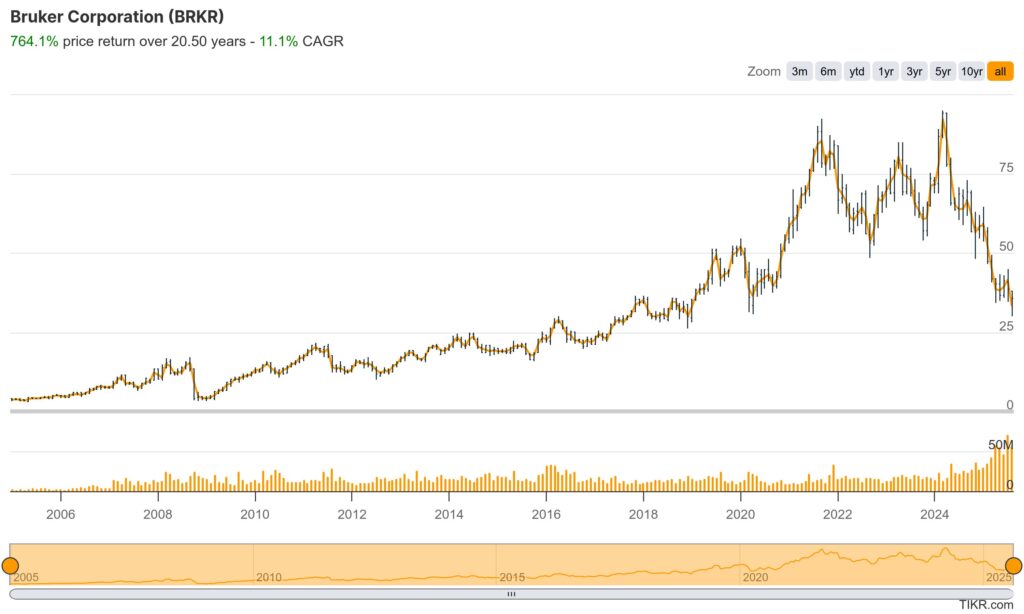
Bruker Corporation, Q3 2025 | Company Review


BRKR or Bruker Corporation is a leading manufacturer of scientific instruments that are used by customers in life sciences, pharmaceuticals, applied markets, and academia. The company also provides diagnostic tools for microbiology and pathology labs.

Introduction

Bruker Corporation’s offerings can be categorized into the following segments:

  1. Bruker BioSpin Group: This segment offers products like nuclear magnetic resonance (NMR) spectrometers, magnetic resonance imaging (MRI) systems, and preclinical MRI research tools. They also provide solutions for EPR (electron paramagnetic resonance) applications.
  2. Bruker CALID Group: The CALID group offers a wide range of products including mass spectrometry tools, microbiology and diagnostic tools, infrared spectroscopy systems, and gas chromatography systems.
  3. Bruker Nano Group: This segment offers advanced materials research tools, nanoanalysis solutions, and microscopy, all of which are used in the semiconductor and other industrial markets.
  4. After-Sales Service: Apart from the primary products, Bruker also offers after-sales services including training, preventive maintenance, and other support services.

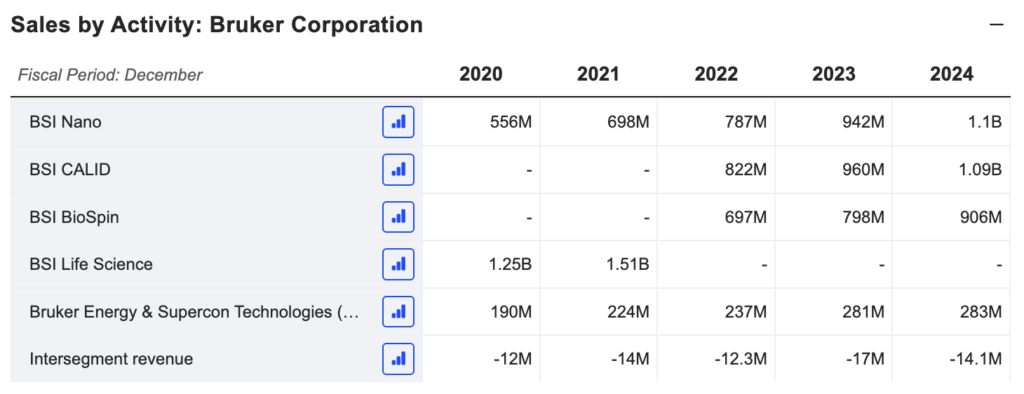
Their main lines of business include the design, manufacture, and distribution of high-performance scientific instruments and analytical and diagnostic solutions. Bruker operates in two segments: Bruker Scientific Instruments (BSI) and Bruker Energy & Supercon Technologies (BEST).
Source: Market Screener – Sales by Activity: Bruker Corporation

BSI encompasses the Bruker BioSpin Group, the Bruker CALID Group (which includes the Bruker Chemical & Applied Markets division, the Bruker Detection division, and the Bruker Daltonics division), and the Bruker Nano Group. These groups focus on advanced analytical solutions for the life sciences and physical sciences research, pharmaceuticals, biotechnology, and industrial markets.

The BEST segment designs, manufactures, and distributes superconducting materials, primarily metallic low temperature superconductors, for use in magnetic resonance imaging, nuclear magnetic resonance, fusion energy research, and other applications.
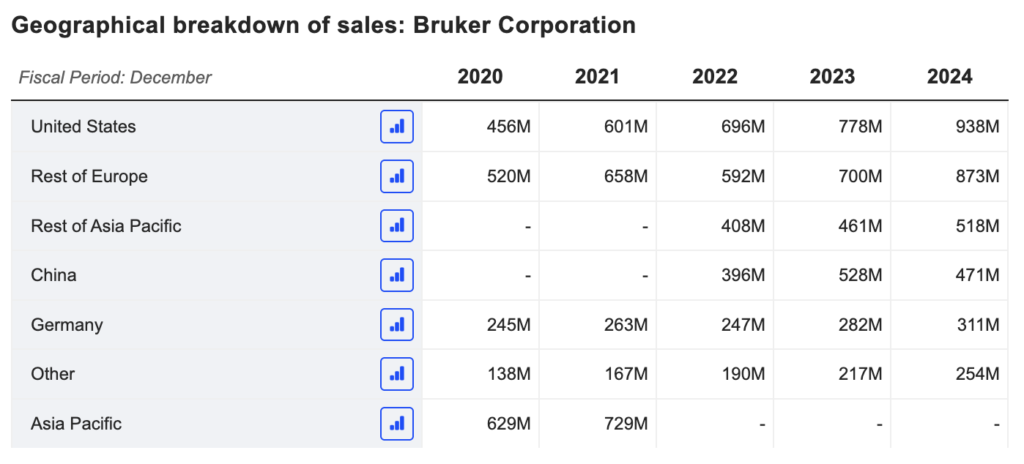
Bruker Corporation operates globally, with customers in over 60 countries. They have major operations in Europe and North America, with presence in Asia, Australia, and the Middle East. They have numerous sales and service offices around the world, including in the United States, Germany, United Kingdom, France, Japan, China, South Korea, India, and Australia. Their corporate headquarters is located in Billerica, Massachusetts, USA.

Source: Market Screener – Geographical breakdown of sales: Bruker Corporation

How does the company make money?
Bruker Corporation generates revenue through the following streams:

  1. Sale of Scientific Instruments: Bruker designs, manufactures, and distributes a broad range of proprietary life science and materials research systems and associated products. Their instruments are sold to customers in the pharmaceutical, biotechnology, and molecular diagnostic industries as well as to academic research institutions.
  2. Aftermarket Sales and Services: After the initial sale of an instrument, Bruker continues to generate revenue through the sale of consumables, accessories, software, and services related to their products. This includes maintenance contracts, repair services, training, and consulting.
  3. Collaborations and Partnerships: The company also enters into strategic partnerships and collaborations with other companies and research institutions. These collaborations may generate revenue through licensing fees, milestone payments, and royalties.

How has the company performed in times of crisis?

Market Research and Forecast

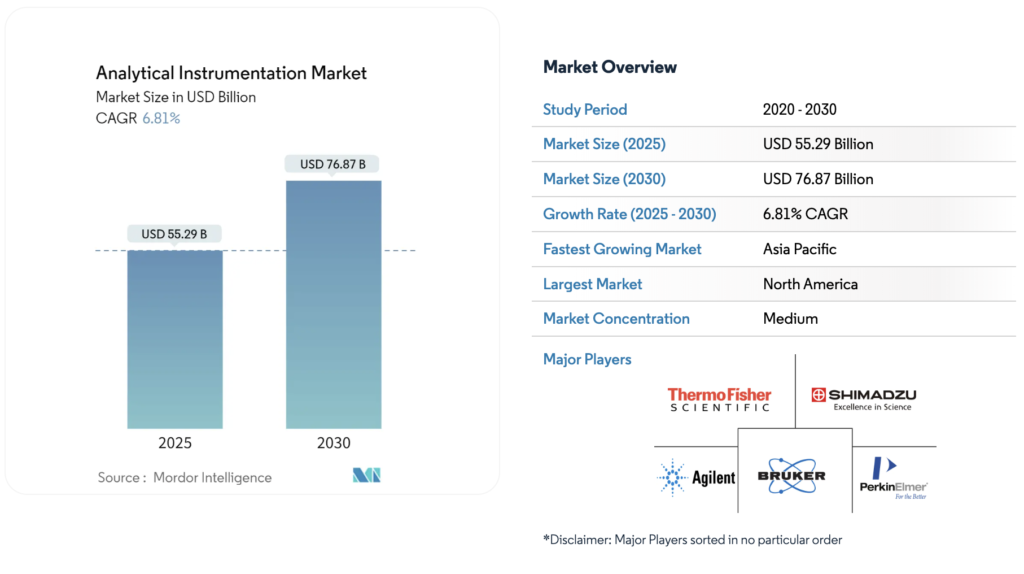
Source: Mordor Intelligence Research & Advisory. (2025 , June). Biotechnology Instruments Market Size & Share Analysis – Growth Trends & Forecasts (2025 – 2030). Mordor Intelligence. Retrieved August 19, 2025, from https://www.mordorintelligence.com/industry-reports/biotechnology-instruments-market
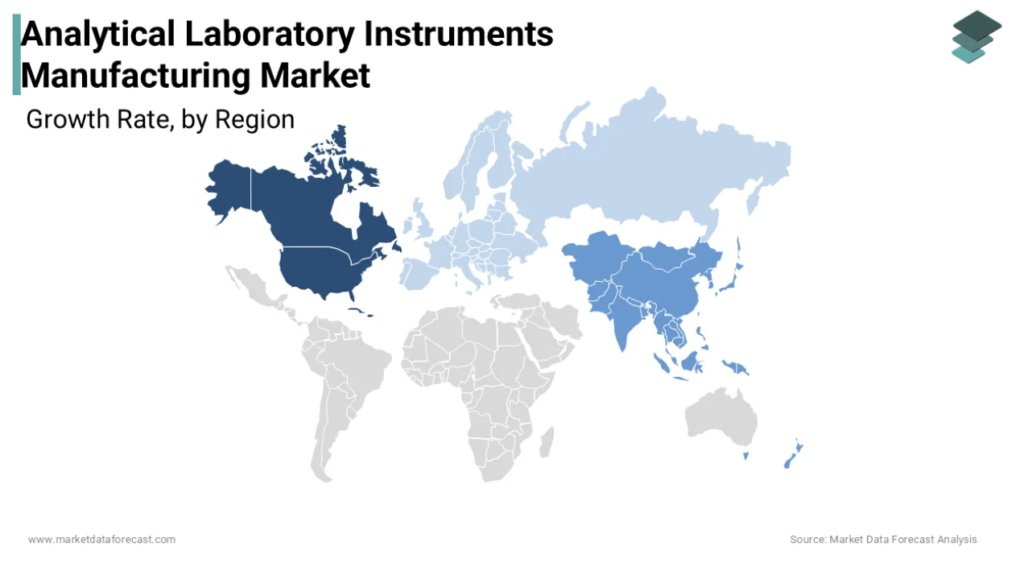
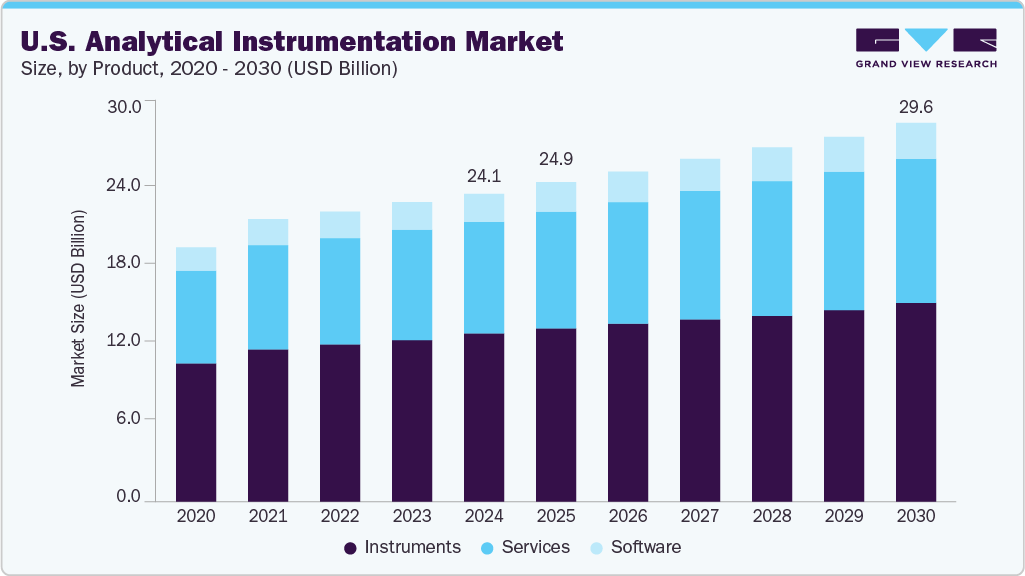
The global Analytical Instrumentation market is projected to grow to USD 76.87 Billion, and only in the US, it has been been growing since 2020, especially in North America, Europe, and Asia Pacific, where the North American market is the sector’s most important demand and where Fortinet has more get the vast majority of its revenue. According to Polaris, North America will still be the leading region until 2030, followed by Europe and Asia Pacific.

Source: https://www.grandviewresearch.com/


Sector Growth

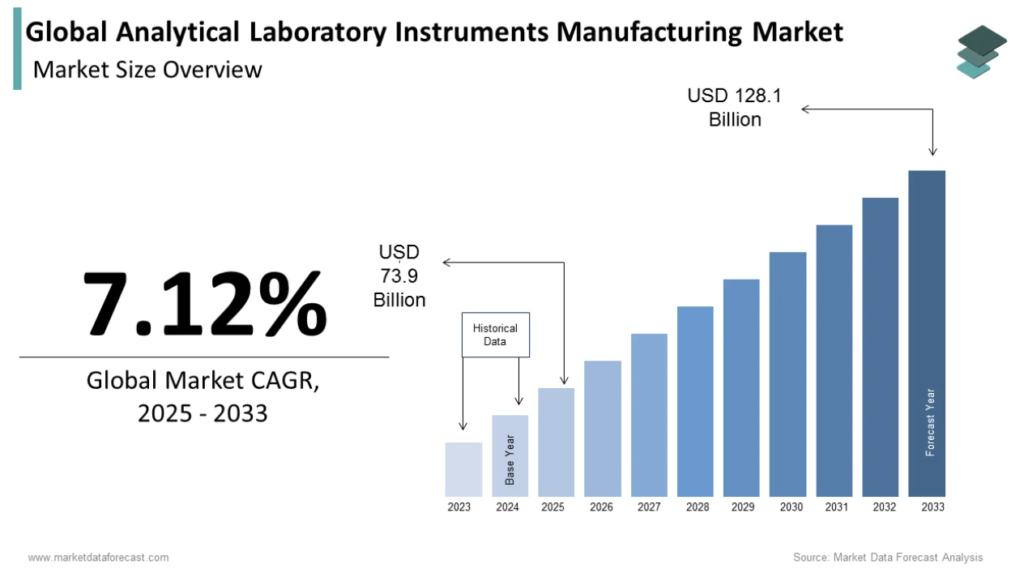
  • Growth Rate (CAGR): Several market reports estimate a CAGR for the global scientific instrument market ranging from 4.7% to 11.5% until 2030, depending on the specific segment (e.g., process spectroscopy).
  • Key Growth Drivers: Growth is driven by increased investment in research and development (R&D), the growing demand for precision medicine and advanced diagnostics, and rising quality regulations in the pharmaceutical and biotech industries.
  • Trends: Significant growth is expected in segments such as mass spectrometry, life sciences tools, and genomics and proteomics analysis, areas where Bruker has a strong presence.
Source: https://www.marketdataforecast.com/

Bruker Corporation (BRKR) Outlook

Bruker is well-positioned to benefit from this sector growth, although it faces its own challenges:

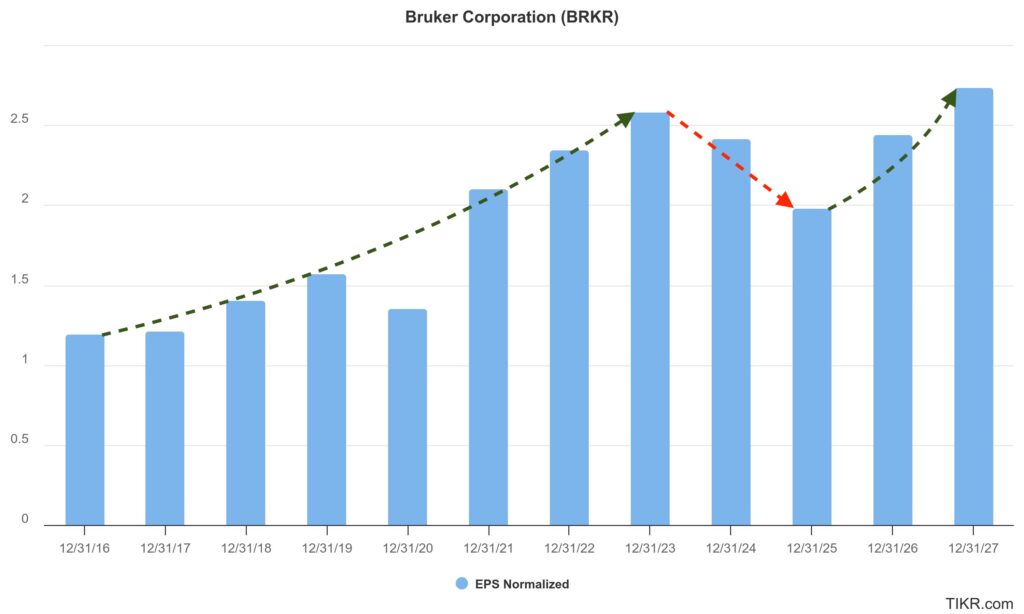
  • Growth Projections: Analysts anticipate that Bruker Corporation will have annual revenue growth exceeding 3% and double-digit EPS growth in the coming years.
  • Market Position: The company benefits from its diversified product portfolio and strategic acquisitions, which allow it to capitalize on opportunities in high-growth markets such as proteomics and spatial biology.
  • Risks: Despite the positive outlook, the company faces risks such as the volatility of its profit margins, dependence on R&D investment (which can be fluctuating), and strong market competition.

Bruker’s Growth vs. its Rivals
Revenue Performance: Bruker has achieved consistent revenue growth. In fiscal year 2024, it reported an organic revenue growth of 4.0%, and for the first quarter of 2025, the organic growth of its scientific instruments segment (BSI) was 5.1%.

  • Market Share Performance: Despite intense competition, Bruker has proven capable of gaining market share in key areas such as mass spectrometry, molecular diagnostics, and spatial biology, often through strategic acquisitions.
  • Growth Benchmark: While results may vary by quarter, reports indicate that in the third quarter of 2023, Bruker outperformed its competitors in terms of revenue growth, registering a 16.26% year-over-year increase.

Bruker’s Growth vs. its Sector

With its revenue growth and earnings projections, Bruker is well-positioned to match or even exceed the average growth rate of the sector, especially when considering its recent acquisitions and focus on high-growth technologies. Its declared goal of double-digit EPS growth in the coming years also places it ahead of many mature companies in the sector.

Leadership Team Analysis

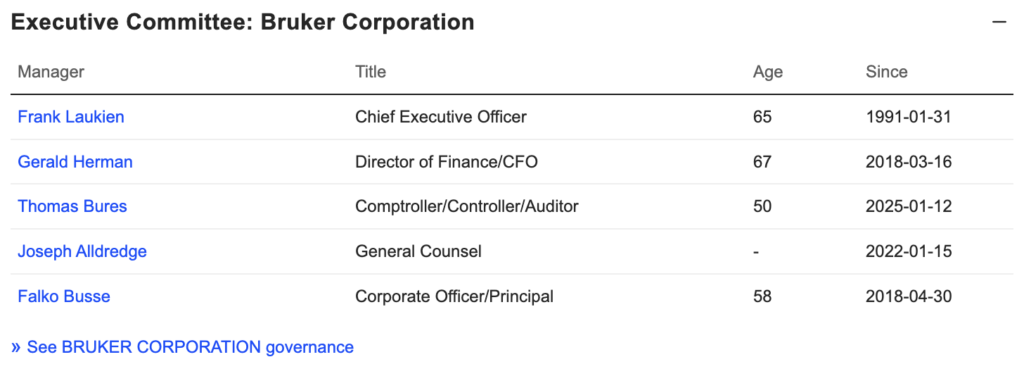
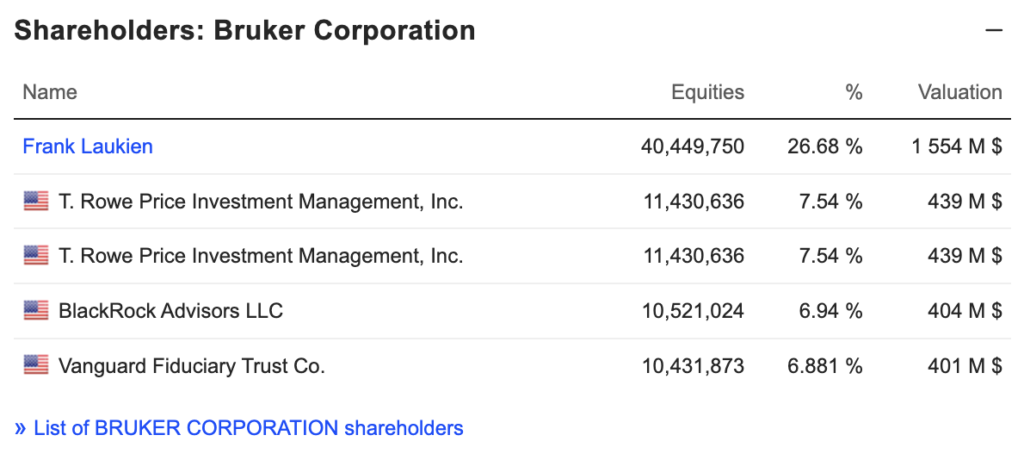
The company was founded in 1960 by Gunther Laukien in Karlsruhe, Germany, and initially, it was a family-owned business. However, it went public in 2000. Burker’s CEO Frank Laukien, holds more than 40M shares (26.68% of shares outstanding held), which is a good sign not only because he has a key role in the company but also because the Laukien family keeps a big share of the company, and convey a solid alignment between their and the company’s interests.

Source: Market Screener – Executive Committee
Source: Market Screener – Shareholders Bruker Corporation

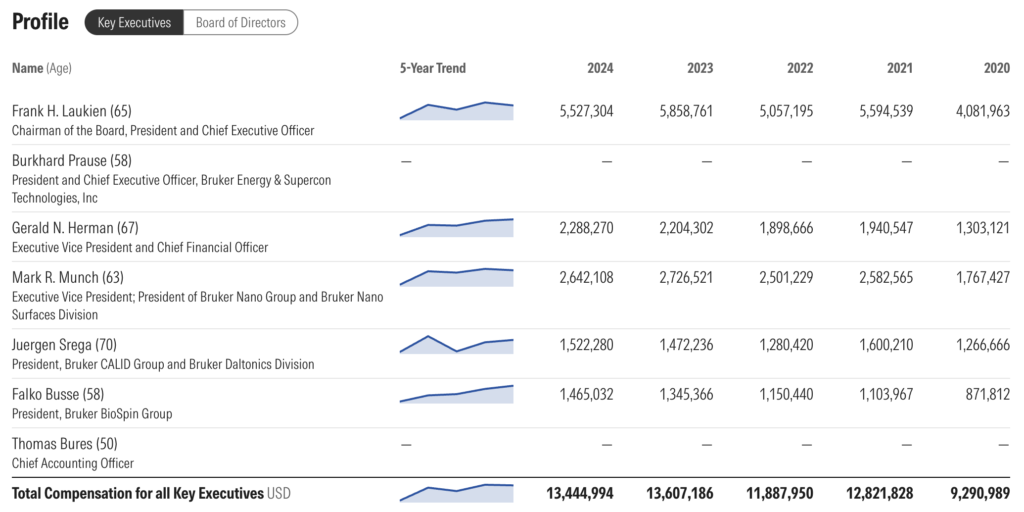
Below, I’ve included a snapshot of Bruker’s Key Executives, along with their yearly compensation. None of the stakeholders makes more than 10% in revenue, which is a positive sign and it makes me feel that the leadership team is not squeezing the organization funds.

Source: Morningstar – Executive Team Yearly Compensation


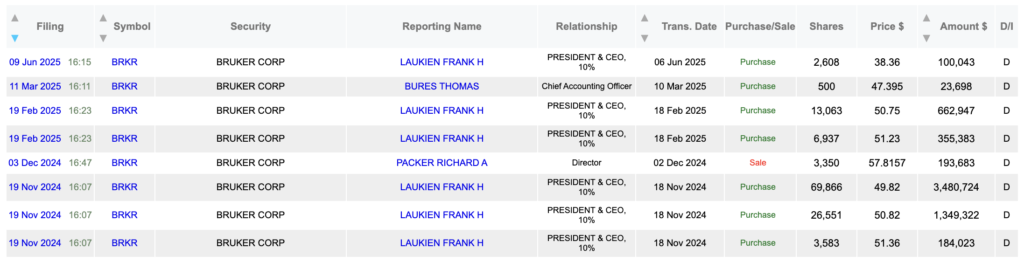
Regarding the Insiders, we have not identified unexpected movements or aggressive sales from the Executive team or board of Directors. In fact, the CEO has being buying since Q1 2025.

Data Roma – Insiders

4.- Identify competitive advantages
🔹 Does it have a competitive advantage?

To determine if Bruker Corporation (BRKR) has a competitive advantage, you need to analyze the following:

  1. Financial Performance: Look at the company’s revenue growth, profit margins, return on equity (ROE), and return on assets (ROA) over the past years. Compare these with its competitors in the same industry.
  2. Market Share: If BRKR has a significant market share, it could be a sign of competitive advantage. The company’s products or services are likely preferred over others.
  3. Unique Resources and Capabilities: If BRKR has unique resources and capabilities that its competitors do not have, this could give the company a competitive edge.
  4. Cost Advantage: If BRKR can provide its products or services at a lower cost than its competitors without compromising on quality, this could be a competitive advantage.
  5. Brand Recognition: If BRKR has strong brand recognition and a good reputation, it could have a competitive advantage as customers are more likely to choose a brand they recognize and trust.
  6. Innovation and Technological Advantage: If BRKR consistently introduces innovative products or services, or if it uses technology more efficiently than its competitors, it could have a competitive advantage.

These points will help you determine if BRKR has a competitive advantage. It’s recommended to thoroughly research and analyze the company’s financials, industry position, and competition before making any investment decisions.”

🔹 What’s the Scale?

🔹 Does it have Network effect?

🔹 Low cost products, but critical/essential for the customer:

  1. What is the current market price of BRKR shares?
  1. What is BRKR’s current P/E ratio?
  1. What is the dividend yield of BRKR?
  1. How much debt does BRKR have?
  1. What is BRKR’s return on equity (ROE)?
  1. What is BRKR’s price-to-book ratio?
  1. What is BRKR’s earnings per share (EPS)?
  1. What is BRKR’s profit margin?
  1. What is BRKR’s current ratio?
  1. What are BRKR’s operating cash flows?

🔹 Is it a Monopoly?
In terms of market share, while Bruker is a leading company in the sector, it doesn’t dominate the market to the extent that it can control prices or exclude competition, which are hallmarks of a monopoly.

In regards to barriers to entry, the scientific instrument industry does require significant investment in research and development, which could potentially deter new entrants. However, there are many active players in the sector, suggesting that these barriers are not insurmountable.

Bruker Corporation is a significant player in its industry, it does not appear to hold a monopoly.

🔹 Mind share (Brand) “One of the best advantages”

  1. What is the company’s market capitalization?
  1. What is the company’s Price to Earnings (P/E) Ratio?
  1. What is the company’s Earnings Per Share (EPS)?
  1. What is the company’s Price to Sales (P/S) ratio?
  1. What is the company’s Price to Book (P/B) ratio?
  1. What is the company’s Dividend Yield?
  1. What is the company’s Debt to Equity Ratio?

🔹 Does it have a switching costs or Cost of switching to a competitor?

  1. Client Relationships:
  2. Product Integration:
  3. Unique Features/Services:
  4. Training Costs:

5.- Sector Research
🔹 Create, build or copy a Market Out look of the following 5 to 10 years.

Market Outlook Report:

Company Overview:
Bruker Corporation (BRKR) is a leading developer, manufacturer, and distributor of scientific instruments and analytical and diagnostic solutions that enable customers to explore life and materials at molecular, cellular and microscopic levels.

  1. Financial Performance:
    Over the past five years, BRKR has consistently demonstrated solid revenue growth, with a compound annual growth rate (CAGR) of 4.75%. Net income has also seen a steady increase, indicating efficient cost management and profitability growth.
  2. Market Position:
    BRKR holds a strong market position within the life sciences industry. The company’s diversified product portfolio, global presence, and strong relationships with research and healthcare institutions provide it with a competitive edge.
  3. Future Growth Prospects:
    The global scientific research and healthcare landscape is evolving rapidly, presenting numerous growth opportunities for BRKR. By continuing to innovate and expand its product portfolio, the company is well-positioned to capitalize on these opportunities.
  4. Risks:
    Key risks include regulatory changes within the healthcare and life sciences sector, competitive pressures, and potential disruptions to global supply chains.
  5. Investment Outlook:
    Over the next 5-10 years, BRKR is expected to continue its growth trajectory, driven by its strong market position, robust product portfolio, and favorable industry trends. However, investors should monitor potential risks and market volatility.
  6. Valuation:
    Based on projected earnings growth and relative valuation methods, BRKR’s current stock price appears to be fairly valued.
  7. Conclusion:
    Overall, BRKR presents a compelling long-term investment opportunity given its solid financial performance, strong market position, and attractive growth prospects. However, potential risks should be closely monitored.

🔹 How much the company grows versus market growth?

  1. Calculate the Company’s Growth Rate:
  1. Calculate the Market’s Growth Rate:
  2. Compare the Two Growth Rates:

Financials


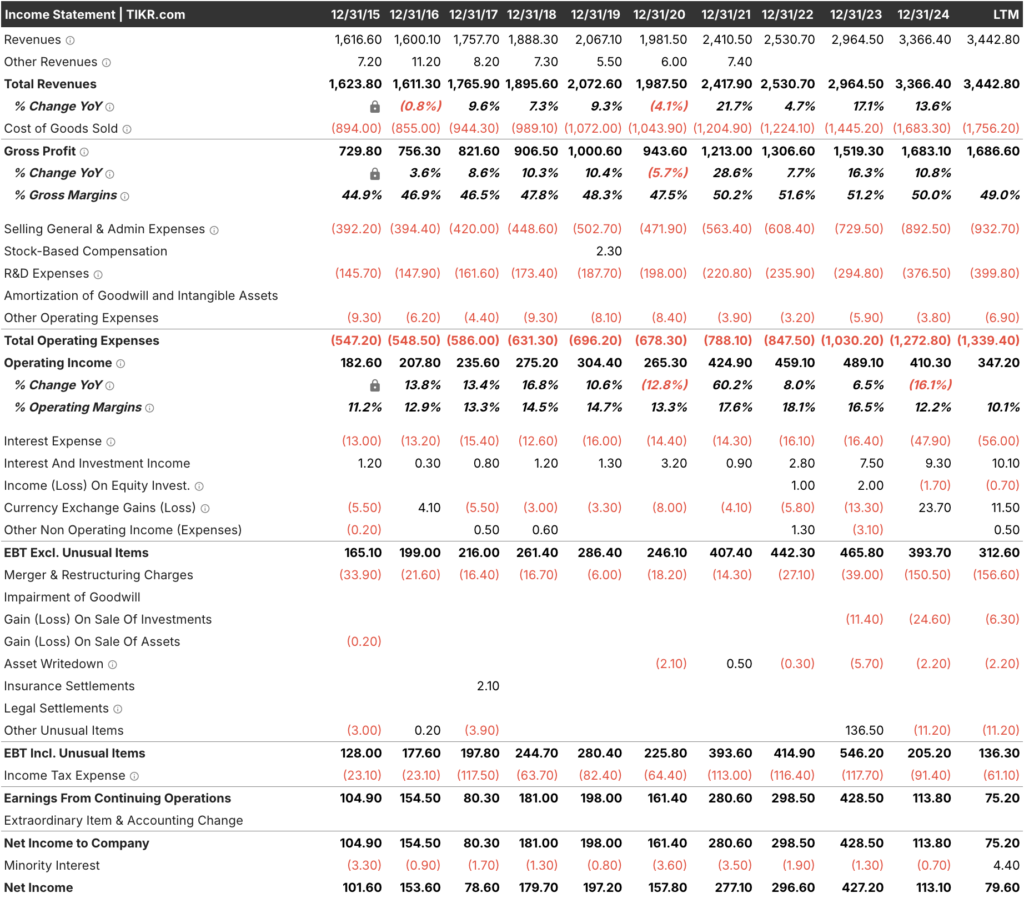
🔹 Income Statement detailed review

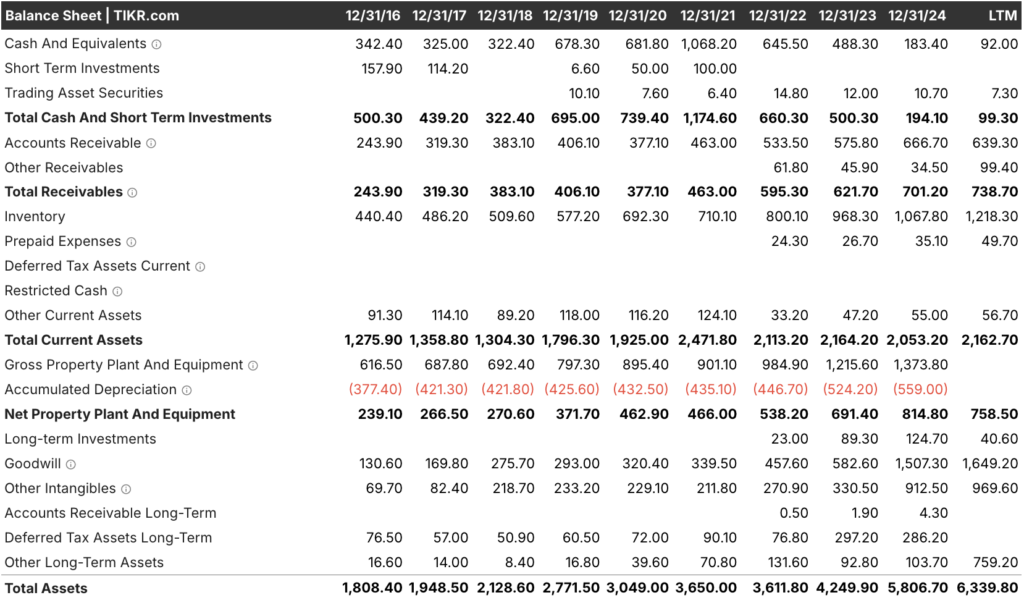
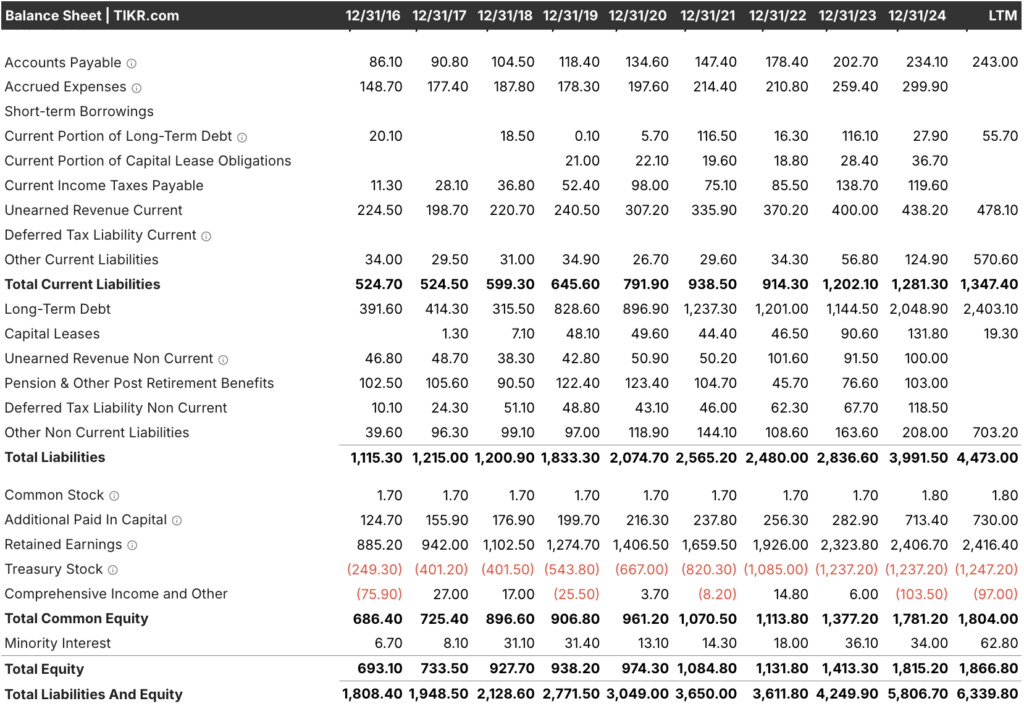
🔹 Balance Sheet detailed review

  1. What are the company’s total assets?
  2. What are the company’s total liabilities?
  3. How much equity does the company have?
  4. What is the company’s working capital?
  5. What is the company’s debt to equity ratio?
  6. Has the company’s cash position improved or worsened over the past year?
  7. What is the company’s return on assets (ROA)?
  8. What is the company’s return on equity (ROE)?

🔹 Cash Flow Statement detailed review

Calculations


🔹 Calculate the Intrinsic Value

🔹 Calculate the Margin of Safety

🔹 Project the share value of the upcoming 5 – 10 years

🔹 Calculate the Buying/Selling Point

🔹 Add any other number that should be considered to buy the stock

Is Fortinet Inc. a good long-term investment? | Company Review

Fortinet was founded in 2000 and is headquartered in Sunnyvale, California. The company provides broad, integrated, and automated cybersecurity solutions in the Americas, Europe, the Middle East, Africa, and the Asia Pacific.


Introduction

Fortinet provides security subscriptions, technical support, and professional, and training services. It sells its security solutions to channel partners and directly to various customers in telecommunications, technology, government, financial services, education, retail, manufacturing, and healthcare industries.

  1. FortiGate hardware and software licenses that provide various security and networking functions, including firewall, intrusion prevention, anti-malware, virtual private network, application control, web filtering, anti-spam, and wide area network acceleration.
  2. FortiSwitch product family, offers secure switching solutions for connecting customers to their end devices.
  3. The FortiAP product family, provides secure wireless networking solutions.
  4. FortiExtender, a hardware appliance.
  5. FortiAnalyzer product family, which offers centralized network logging, analyzing, and reporting solutions.
  6. FortiManager provides a central and scalable management solution for its FortiGate products.
  7. FortiWeb provides web application firewall solutions.
  8. FortiMail secures email gateway solutions.
  9. FortiSandbox technology delivers proactive detection and mitigation services.
  10. FortiClient provides endpoint protection with pattern-based anti-malware, behavior-based exploit protection, web filtering, and an application firewall.
  11. FortiToken and FortiAuthenticator product families for multifactor authentication to safeguard systems, assets, and data.
  12. FortiEDR/XDR, is an endpoint protection solution that provides both comprehensive machine-learning anti-malware execution and real-time post-infection protection.

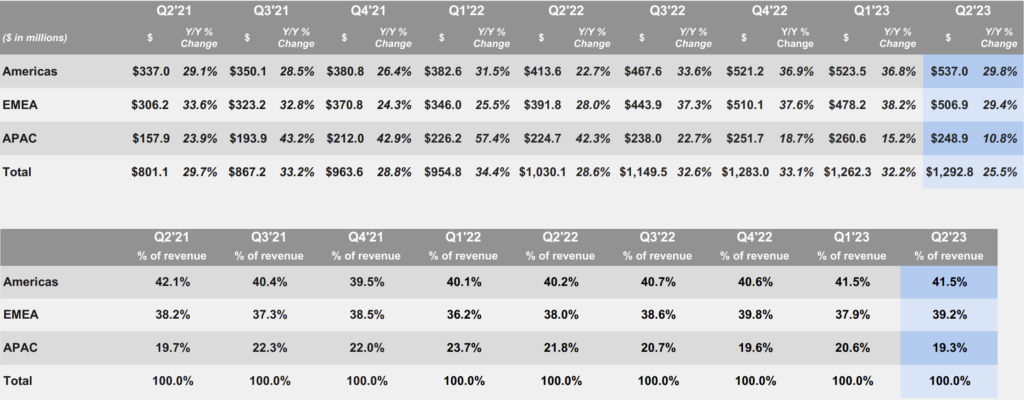
Revenue by Geography (Q2 2023)

According to their last earnings call, we see how Fortinet has been gradually increasing revenue in all territories since 2021, and Americas is the highest revenue provider compared to EMEA and APAC.

Source: Fortinet Inc. - Q2 2023 Financial Results, Revenue by Geography
Source: Fortinet Inc. – Q2 2023 Financial Results, Revenue by Geography

Market Research and Forecast

Source: Technavio - Global Cybersecurity Market 2021-2025
Source: Technavio – Global Cybersecurity Market 2021-2025

The global Cybersecurity market has been growing since 2018, especially in North America, Europe, and Asia Pacific, where the North American market is the sector’s most important demand and where Fortinet has more get the vast majority of its revenue. According to Polaris, North America will still be the leading region until 2030, followed by Europe and Asia Pacific.

Source: Polaris – Cybersecurity Market Size, By Region, 2018 – 2030

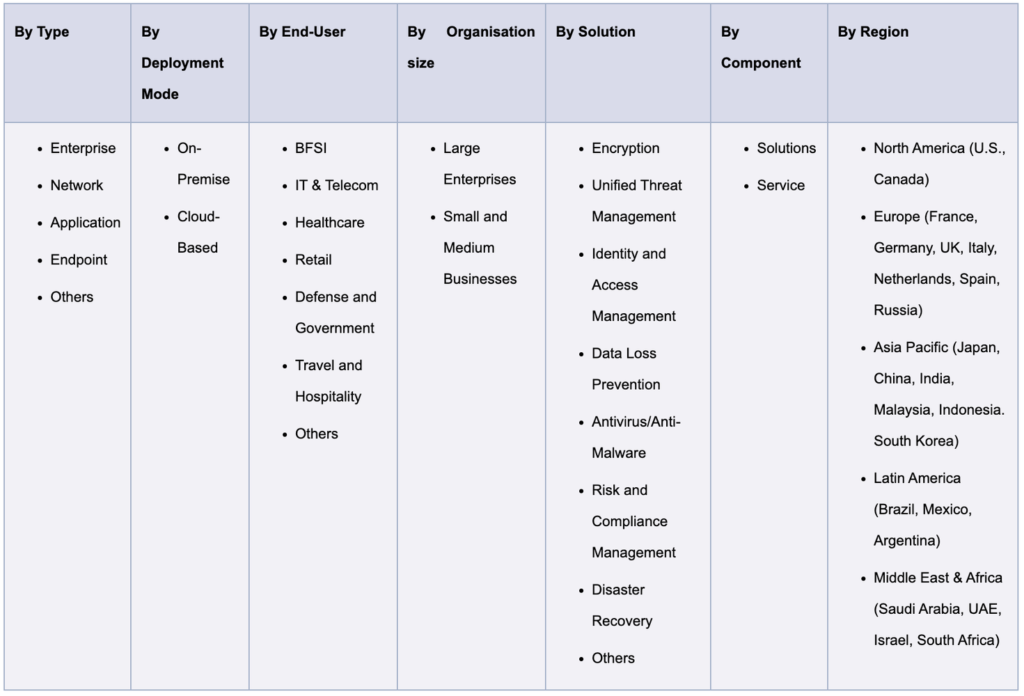
The market is segmented based on type, deployment model, end-user, organization size, solution, component, and region.

Source: Polaris – CyberSecurity Market Segmentation

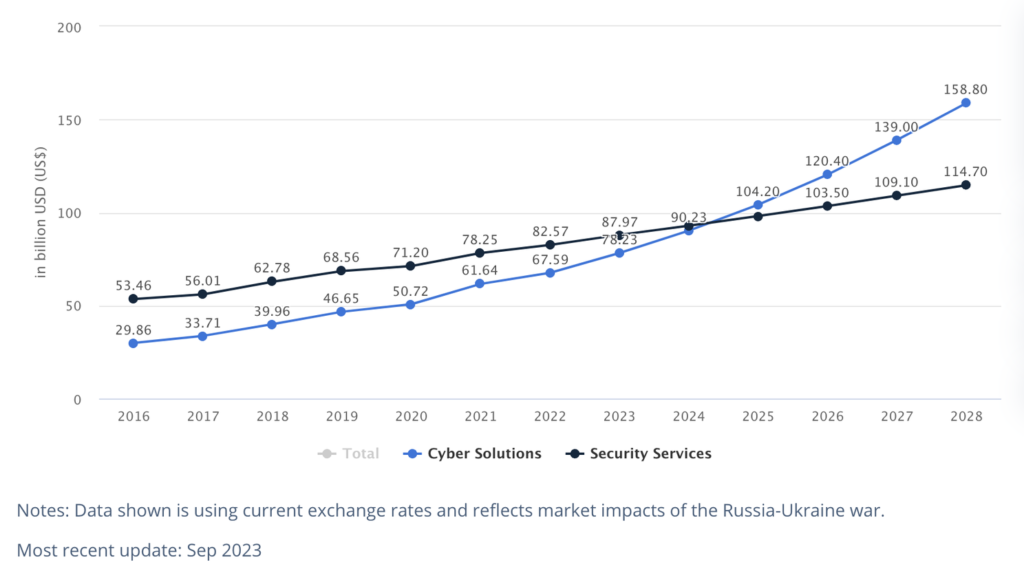
Security Services dominates the market with a projected market volume of US$87.97bn in 2023.

Source: Statista - Revenue by Component, Sep 2023
Source: Statista – Revenue by Component, Sep 2023

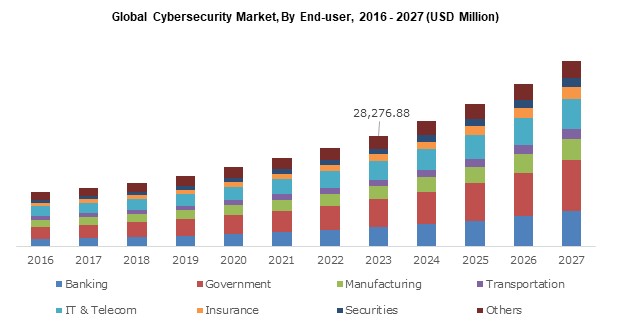
The three main cybersecurity consumer groups are the banking and IT and telecom industries followed by Governments, where logically this last group leads the demand, according to GM Insights.

Source: GM insights
Source: GM insights

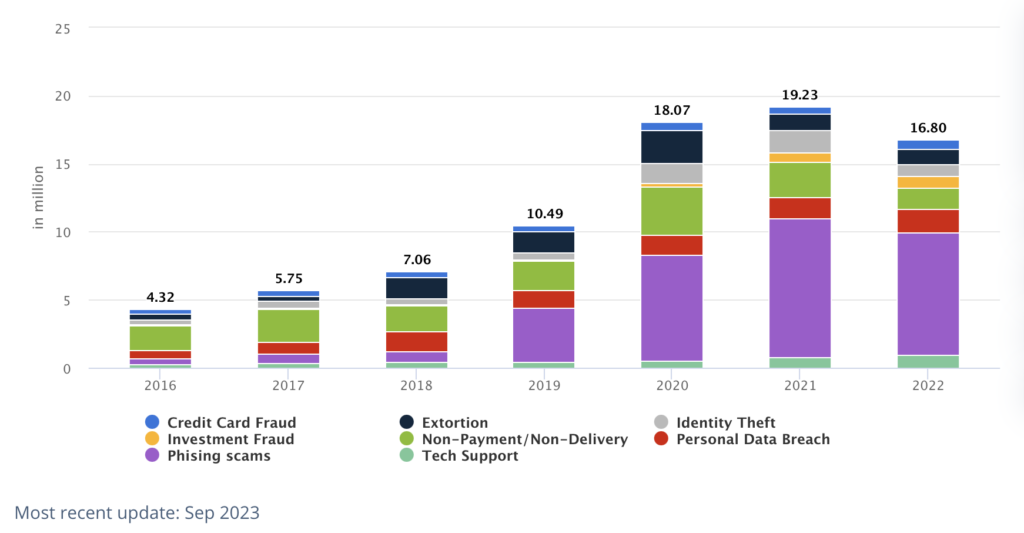
Another factor to take into consideration that explains the demand for cybersecurity services is the continuously growing trend of cyberattacks, where phishing scams took the lead in 2019.

Source: Statista – Recorded Cyberattacks, Sep 2023

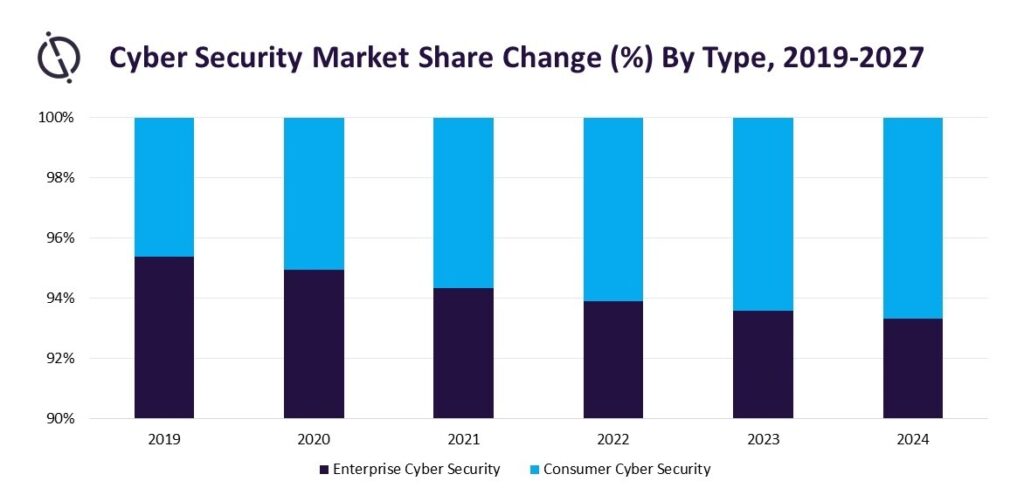
That being said, and according to Globaldata, we can see a change in the current paradigm where Consumer Cybersecurity is expected to grow and take more market share than the Enterprise demand.

Source: GlobalData Technology Intelligence Center

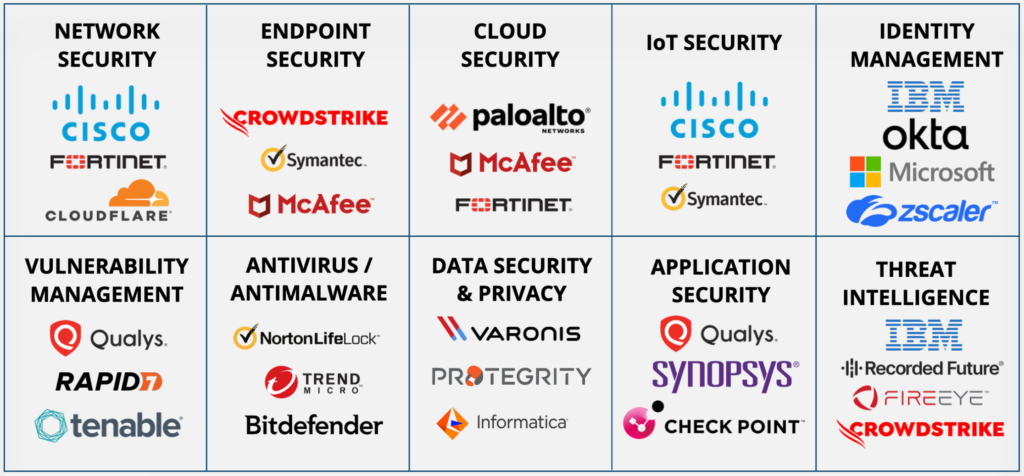
Finally, in the image below you will find how the cybersecurity market is composed (and how big it is). According to Fortinet, the main company business pillars are Network SecurityCybersecurityCloud Security, and OT Security.

Source: App Economy Insights, Jun 2023, CyberSecurity Market Map

Fortinet Income Statement

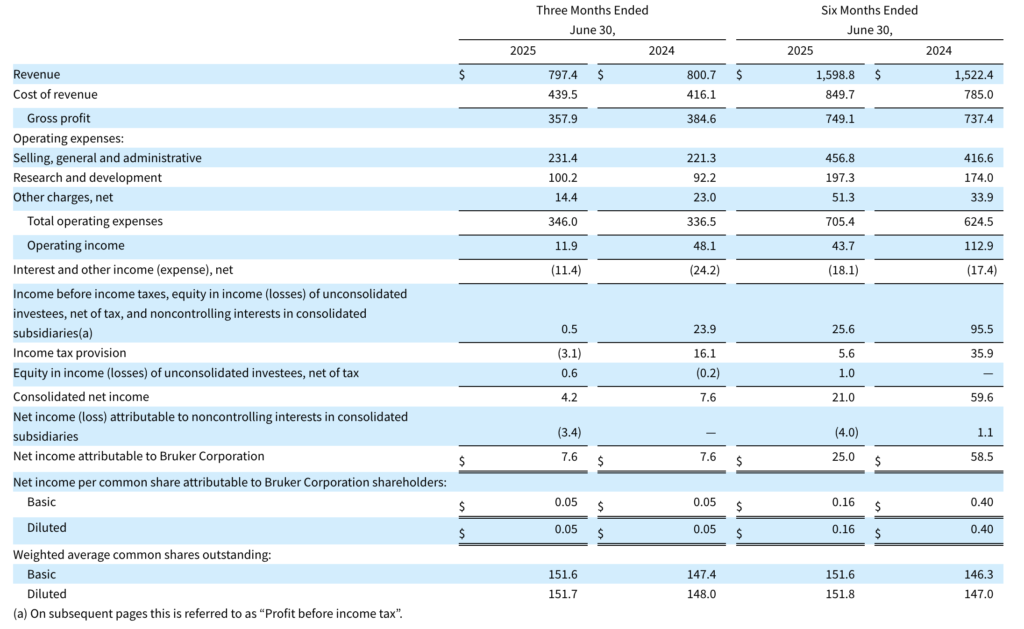
Fortinet - Income Statement 2023
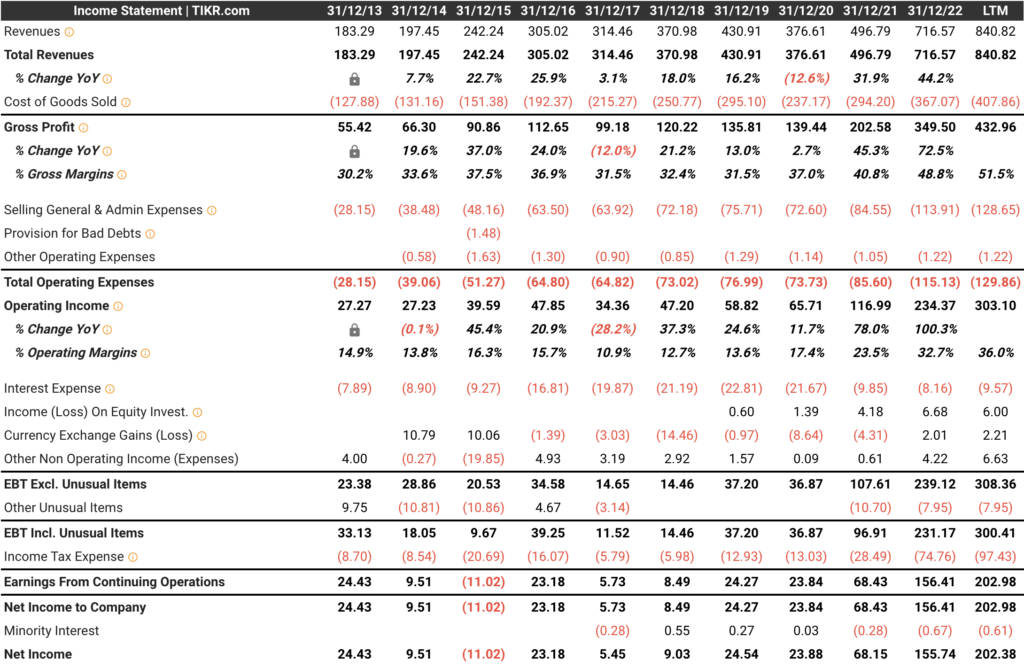
Source: TIKR – Fortinet Income Statement, from 2013 to 2022

Fortinet has demonstrated strong results over the last 10 years by keeping high and consistently growing Revenue double-figure and greater than 29% since Q2’21 according to their last Q223 Earnings Call, but also, sustainable Gross Margins which have been greater than 70% since 2013, which is a really positive indicator of a healthy business.

In 2014 and 2015, with the operating expenses raised, the Operating Income decreased by (21.9%) and (57.1%).

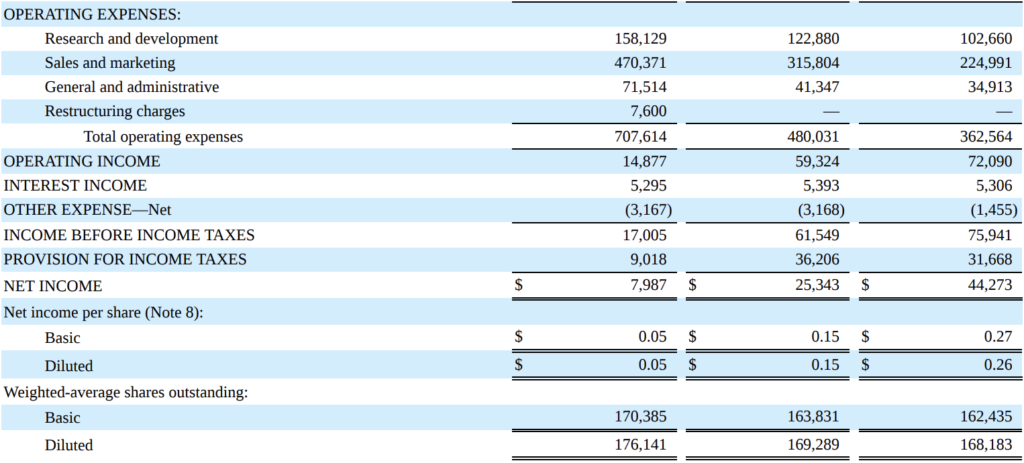
The Sales and Marketing and General and Administrative were the items that received the greatest investment, taking into account its Annual report (10K):

In 2015, we continued to invest in sales and marketing to capture market share, particularly in the enterprise market where enterprise customers tend to have a higher lifetime value, and to accelerate our growth. We intend to continue investing in sales and marketing in order to capture additional market share in the enterprise market”.

The global sales and marketing employee footprint increased from 41% in Q1 to 44% in Q4, as well as their investment, according to the company’s quarterly reports:

In 2015, operating expenses increased by $227.6 million, or 47%, as compared to 2014. The increase was primarily driven by our accelerated pace of hiring and continued investments to expand our sales coverage, grow our marketing capabilities, develop new products and scale our customer support. We also continue to invest in research and development to strengthen our technology leadership position. We believe that continued product innovation has strengthened our technology and resulted in market share gains. In addition, we incurred costs from the integration of Meru and the implementation of restructuring activities and expenses related to business design and reengineering in preparation of an ERP system implementation. Headcount increased by 41% to 4,018 employees and contractors as of December 31, 2015, up from 2,854 as of December 31, 2014.

Source: Fortinet 10-Q
Source: Fortinet Inc. – Form 10K 2016 – CONSOLIDATED STATEMENTS OF OPERATIONS

In regard to the headcount increase, in July 2015, Eric Mann and Mike Bossert joined the company’s leadership team, as sales vice presidents focused on continued expansion and growth of the enterprise and mid-enterprise market segments, and in September of the same year, Fortinet announced that Holly Rollo joined as Chief Marketing Officer.

Additionally, the company expanded its patent portfolio to more than 200 patents.

Back in 2018, we can see positive Income Tax Expenses as a result of effective tax rate benefits.

Our provision for income taxes for 2018 reflects an effective tax rate benefit of (32)%, compared to an effective tax rate provision of 75% for 2017. The benefit from income taxes for 2018 was comprised primarily of impacts related to the 2017 Tax Act including a benefit of $164.0 million from the realignment of our tax structure and operations that resulted in a book-to-tax basis difference from previously taxed off-shore deferred revenue. These benefits were partially offset by a $32.6 million increase in the transition tax for finalization of the provisional estimates under SAB 118, a $20.5 million tax expense for the impact of the GILTI and a $29.6 million of tax expense related to U.S. federal and state taxes, other foreign income taxes, foreign withholding taxes and a decrease in tax reserves. Effective January 1, 2018, the 2017 Tax Act reduced the federal corporate income tax rate from 35% to 21% and created a territorial tax system with a one-time mandatory tax on foreign earnings of U.S. subsidiaries not previously subject to U.S. income tax. Under GAAP, changes in tax rates and tax law are accounted for in the period of enactment and deferred tax assets and liabilities are measured at the enacted tax rate. In December 2017, the SEC staff issued SAB 118, which allowed us to record provisional amounts during a measurement period not to extend beyond one year of the enactment date. As a result, we previously provided a provisional estimate of the effect of the 2017 Tax Act in our financial statements. In the fourth quarter of 2018, we completed our analysis to determine the effect of the 2017 Tax Act within the measurement period under the SEC guidance, and reflected an increase of an additional $32.6 million related to the transition tax in the 2018 income tax expense. We expect further guidance may be forthcoming from the FASB and the SEC, as well as regulations, interpretations and rulings from federal and state tax agencies, which could result in additional impacts. In 2017, the effective tax rate was 75%, primarily resulting from the deferred tax assets remeasurement and a one-time transition tax due to the 2017 Tax Act. Excluding the tax impacts from the 2017 Tax Act, our 2017 effective tax rate would have been 24%.

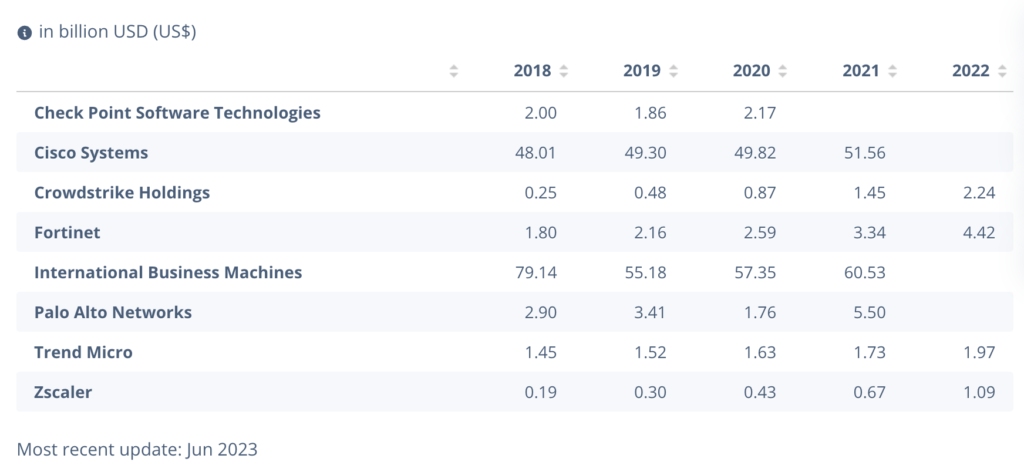
According to a report from Statista released in June 2023, Fortinet has built on an upward revenue trend from 2018 to 2022 that has allowed it to expand and distance itself from some of its competitors, that being said, the company is still far from big players like Cisco or International Business Machines but its constant and bullish trend is a good sign of thriving business, especially if we take into account the external factors on 2020 and how negatively impacted in some business, due to Fortinet biggest factories are in Taiwan and China.

Source: Statista – Top company revenues (Worldwide & Consolidates) – Jun 2023

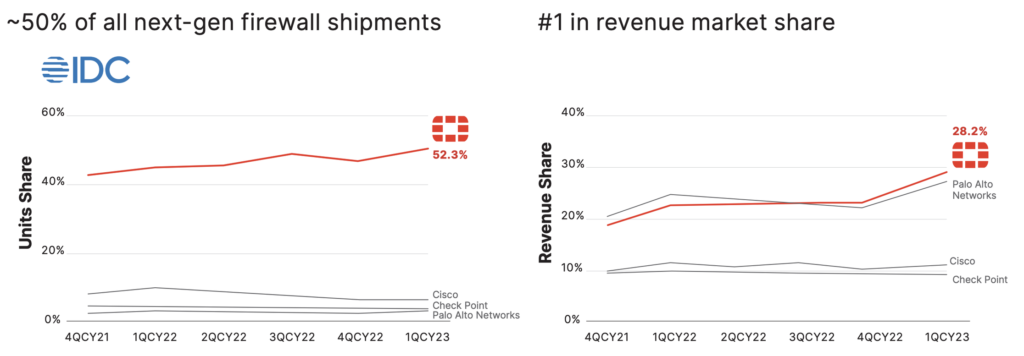
On the other hand, According to IDC (the world’s leading provider of market intelligence, consulting services, and events for the Information Technology, Telecommunications, and Consumer Technology markets), Fortinet Firewall division solution surprises in Revenue market share in 2022 to Palo Alto Network, Cisco and Check Point and kept a comfortable distance in 1QC 2023.

Source: IDC Quarterly Security Appliance Tracker 2023 Q1 Historical, June 8, 2023, Firewall + UTM

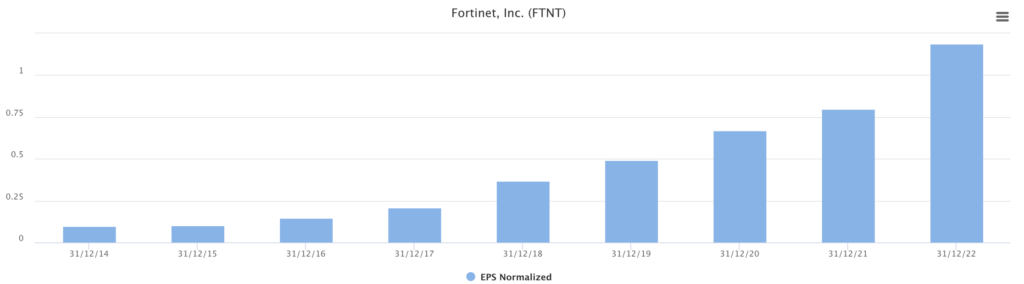
Fortinet has reported sustainable EPS growth (37% average CAGR from 2015 to 2022).

Source: TIKR – EPS Normalized

If we take a look at their Operating Expenses in 2023, we should take into account that Fortinet has a total of 1,285 global patents (as of June 30, 2023) and 254 Pending Patents, which makes me better understand the continuous increase is logical together with the development of new technologies, may affect the raise. I do not consider a concerning figure for the sales and marketing item taking into account the YoY growth from the last 6 years of Revenue and the Gross Margins as we mentioned earlier.

Source: Fortinet Inc. – Form 10K 2022 – Consolidated Statements of Operations

Balance Sheet

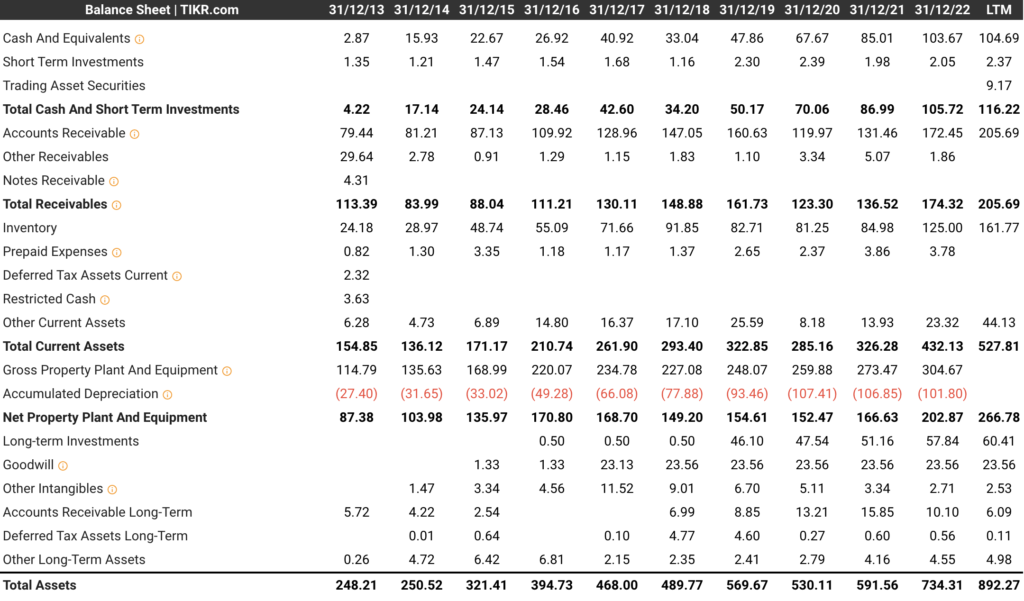
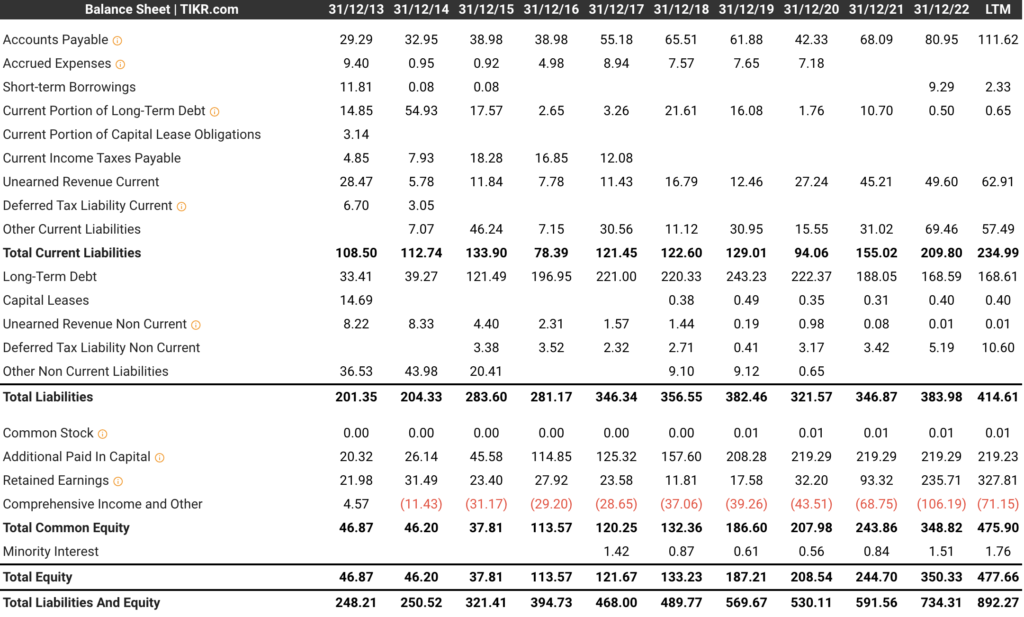
Fortinet has a positive liquidity ratio, if we take a look at its current assets vs. current liabilities, over the last 10 years the company has been above 1.2, which I consider a good ratio, and it tells us its capacity to generate liquidity in a short-term period. On the other hand, their Inventory and Net Income growing trend demonstrates a healthy and correlated selling cycle, where the volumes are still reasonable.

Fortinet - Balance Sheet 2023 1 Sheet
Source: TIKR – Fortinet Assets Statement, from 2013 to 2022
Fortinet - Balance Sheet 2023 2 Sheet
Source: TIKR – Fortinet Total Liabilities and Equity Statement, from 2013 to 2022

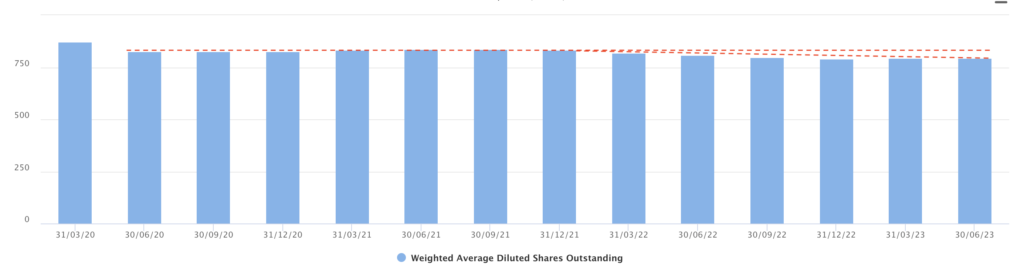
Long-term debt increase in 2021 comes from a Senior Notes offering where the company priced a $1 billion debt offering ($500 million in 1.000% notes due 2026 and $500 million in 2.200% notes due 2031). Additionally, the company reduced the amount of shares starting in March.

In July 2020, our board of directors approved a $500.0 million increase in the authorized stock repurchase amount under the Repurchase Program and extended the term of the Repurchase Program to February 28, 2022, bringing the aggregate amount authorized to be repurchased to $3.0 billion.

Source: Fortinet Inc 10-Q
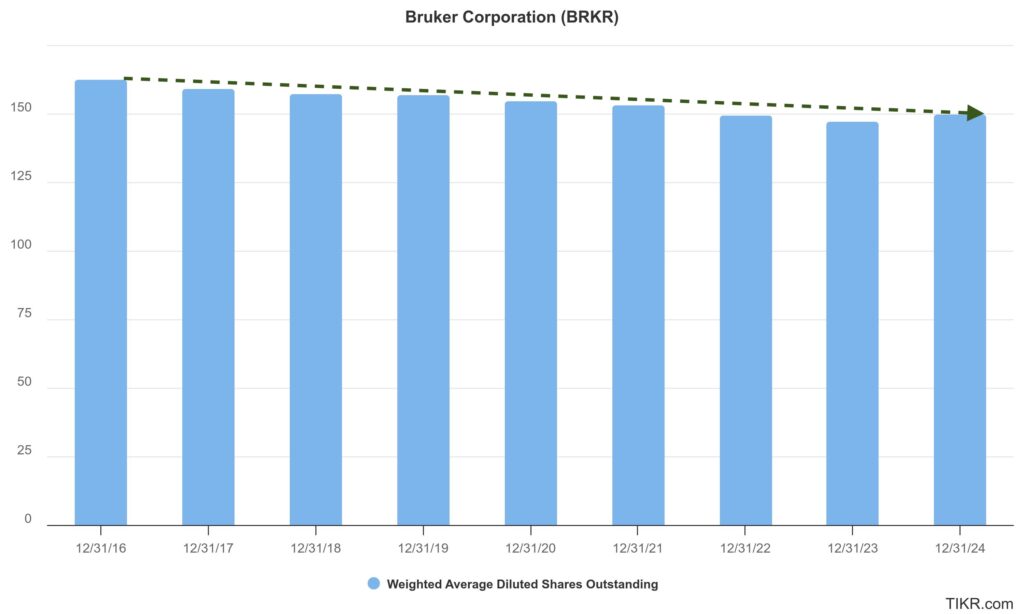
Fortinet Diluted Shares

Our principal commitments consist of obligations under our Notes, inventory purchase and other contractual commitments. As of December 31,2021, the long-term debt, net of unamortized discount and debt issuance costs, was $988.4 million. In addition, we enter into non-cancellable agreements with contract manufacturers to procure inventory based on our requirements in order to reduce manufacturing lead times, plan for adequate component supply or incentivize suppliers to deliver. In 2021, we significantly increased these commitments as contract manufacturers and component suppliers significantly increased their pricing and lead times. Inventory purchase commitments as of December 31, 2021, were $1.14 billion, an increase of $881.1 million compared to $259.4 million as of December 31, 2020. We estimate payments of $1.08 billion due on or before December 31, 2022 related to these commitments. We also have open purchase orders and contractual obligations in the ordinary course of business for which we have not received goods or services. As of December 31, 2021, we had $126.7 million in other contractual commitments having a remaining term in excess of one year that are non-cancelable.

Source: 10-K Fortinet Inc 2021

As we mentioned earlier, the pandemic hit multiple businesses (and created other investment opportunities). In 2021, and because of the pandemic, this impact on the manufacture of semiconductors in South Korea and Taiwan was cited as a cause for the shortage, so my understanding is that in order to guarantee the supply, the company.

Reviewing the investments line item, I found two big ones around 2021.

The first one is Linksys Holdings, Inc. (“Linksys”), where Fortinet invested $160 million in cash for shares of the Series A Preferred Stock of privately held representing a 50.8% ownership interest in the outstanding common stock (on an as-converted basis). Linksys provides router connectivity solutions to the consumer and small business markets, that being said, its sales have declined since Fortinet started its investment.

Last but not least, between 2021 and 2022 Fortinet executed a strategic acquisition of Alaxala Networks Corporation, a privately held network hardware equipment company in Japan, for $77.7 million in cash. According to Fortinet:

We acquired the equity interests in Alaxala to broaden our offering of secure switches integrated with our Core Platform and Enhanced Platform Technology functionality and over time, to innovate and rebrand certain of Alaxala’s switches to offer a broader suite of secure switches globally.

The company has good short-term liquidity ratios, especially the Current Ratio (total current assets / total current liabilities) which has been above 1 since 2013 and explains its power to pay down the current liabilities.

Source: TIKR - Fortinet Short Term Liquidity, from 2013 to 2022 (respectively)
Source: TIKR – Fortinet Short Term Liquidity, from 2013 to 2022 (respectively)

Competitors’ Pros and Cons

Fortinet’s competition is spread around the world, some names are Arista Networks, Inc., Aruba Networks, LLC, Barracuda Networks, Inc., Check Point Software Technologies Ltd., Cisco Systems, Inc. (“Cisco”), CrowdStrike Holdings, Inc., F5 Networks, Inc., Huawei Technologies Co., Ltd., Juniper Networks, Inc., Palo Alto Networks, Inc., SonicWALL, Inc., Sophos Group Plc, Trend Micro Incorporated, VMware, Inc. and Zscaler, Inc. (“Zscaler”). I believe that Fortinet has a competitive advantage over its competitors, these are some examples that led me to think so:

  • Some companies have been reporting negative Net income over the last seven and then years
  • Big corporations are growing slowly, which is understandable due to their global presence
  • Long-term debt. I try to find companies with low long-term debt levels, but some of them have not been able to decrease it (Fortinet is not exempted). That being said, the big players with enough earning power have the advantage of being able to meet their long-term debt payments
  • Liquidity levels are a bit concerning across some of their competitors, they will struggle to convert assets to pay their liabilities

But, these companies can perform better in some KPIs and have advantages:

  • Better margins, above 80%
  • The gap between Price and EPS is bigger than Fortinet, so they can potentially be undervalued if we compare it to their capacity to generate value for the investor
  • Bigger budgets to invest in sales, marketing, and IT
  • Important, Brand recognition. I do not need to mention which ones are more well-known than others
  • Switching costs are key in this industry, especially if we take into account the enterprise customer and the investment in training

Fortinet’s Ownership

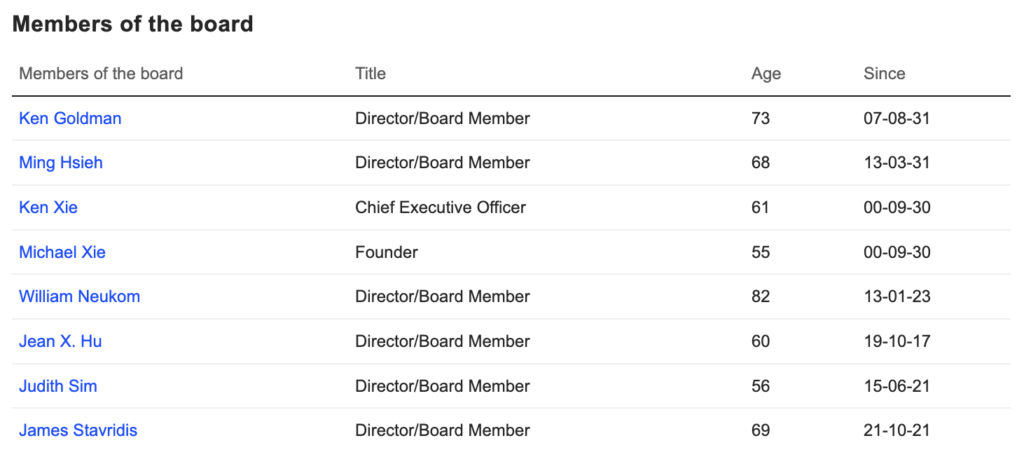
Fortinet’s CEO Ken Xie, the founder of the company, holds more than 63M shares (8% of shares outstanding held), and her brother Michael Xie, who also holds 69M (8.85% of shares outstanding held) which is a good sign not only because both have key roles in the company but also because the Xie family keeps a big share of the company, and convey a solid alignment between their and the company’s interests.

Fortinet - Members of the board 2023
Source: Market Screener – Members of the board

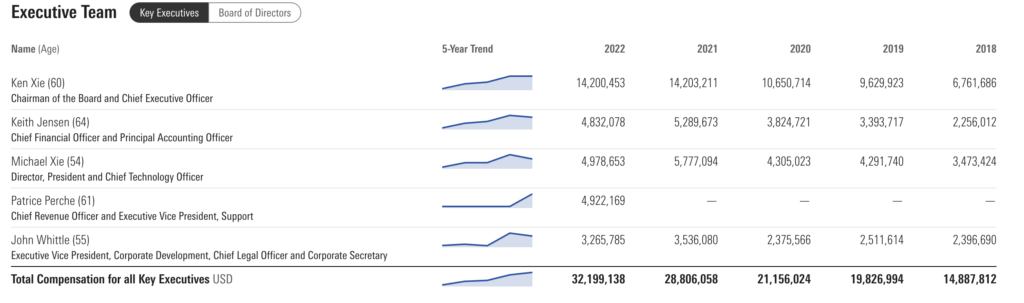
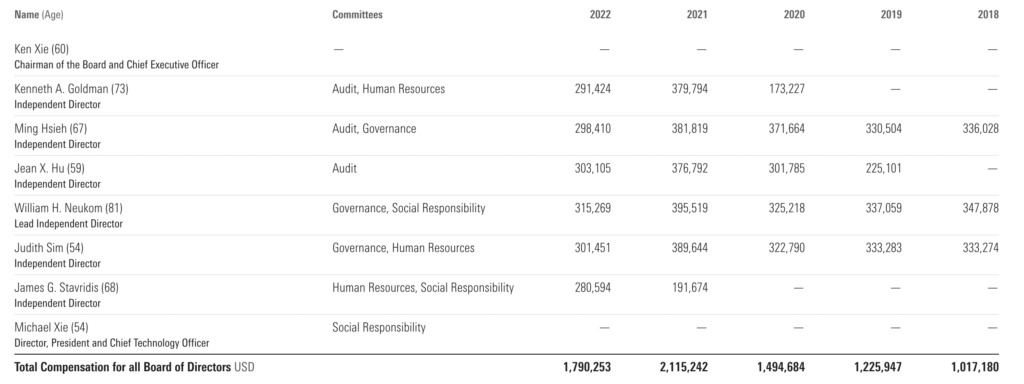
Below, I’ve included a snapshot of Fortinet’s Key Executives and Members of the Board Director, along with their yearly compensation. None of the stakeholders makes more than 10% in revenue, which is a positive sign and it makes me feel that the leadership team is not squeezing the organization funds.

Fortinet - Key Executives 2023
Source: Morningstar – Total Compensation for all Key Executives
Fortinet - Board of Directors 2023
Source: Morningstar – Total Compensation for all Board of Directors

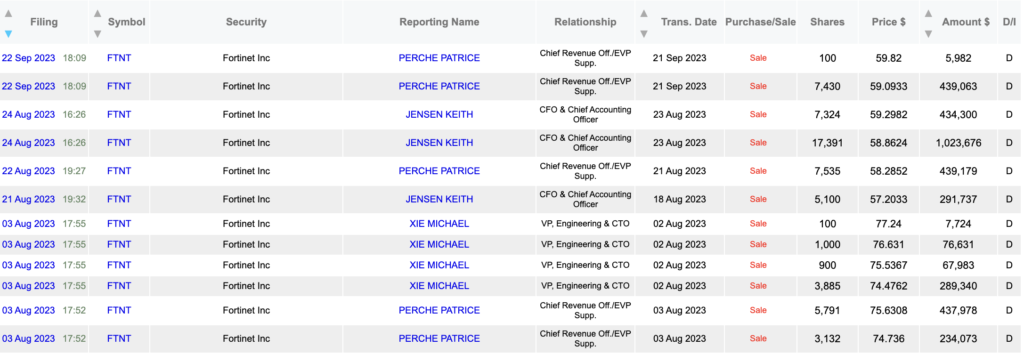
Regarding the Insiders, we have not identified unexpected movements or aggressive sales from the Executive team or board of Directors.

Source: Data Roma, Insiders Sells, last 3 months 2023

Valuation

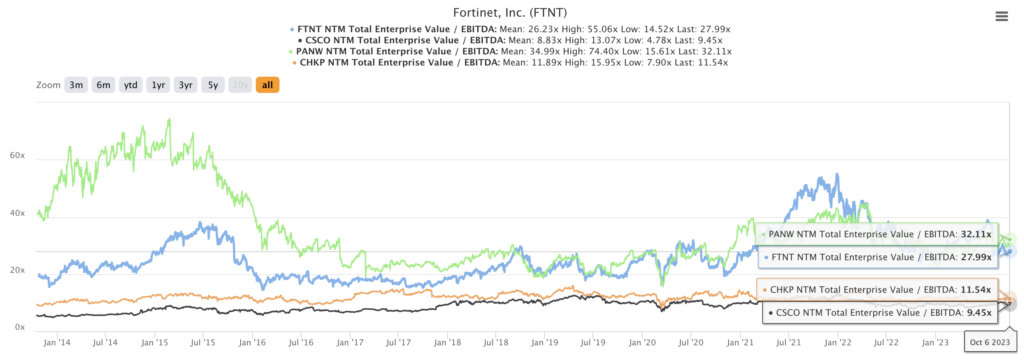
Fortinet is currently valuated at 27% EV/EBITDA. Although I believe the company does not have an attractive valuation, I would mention some key things.

  • First of all, the revenue is projected to grow at double-digit and above >20%, the company is doing a great job so I consider it not exaggerated.
  • The valuation is not at all-time highs, even though this is not a metric that by itself doesn’t tell me anything, the drop in we have observed it’s due to how fragmented is the market and how unclear is for Mr.Market to buy Fortinet or other cybersecurity companies.
  • Reviewing its main competitors, we should break down them by like Check Point Software and Cisco, big corporations growing <10% every year with expanded worldwide, and Fortinet and Palo Alto Networks, where personally I do think Fortinet has better and robust financial health.
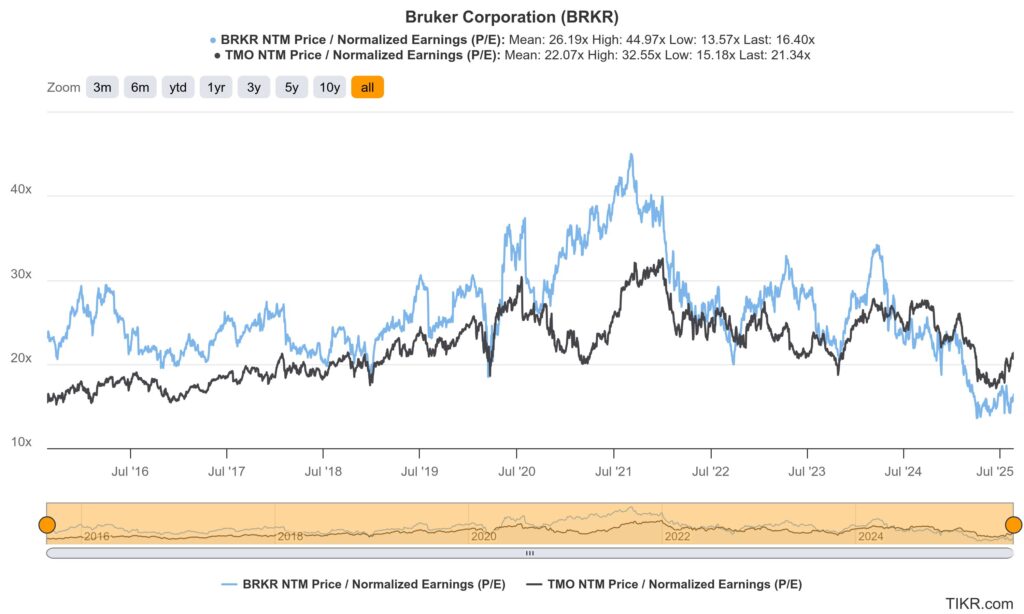
Source: TIKR – NTM Total Enterprise Value / EBITDA

So, let’s talk about the (my) valuation.

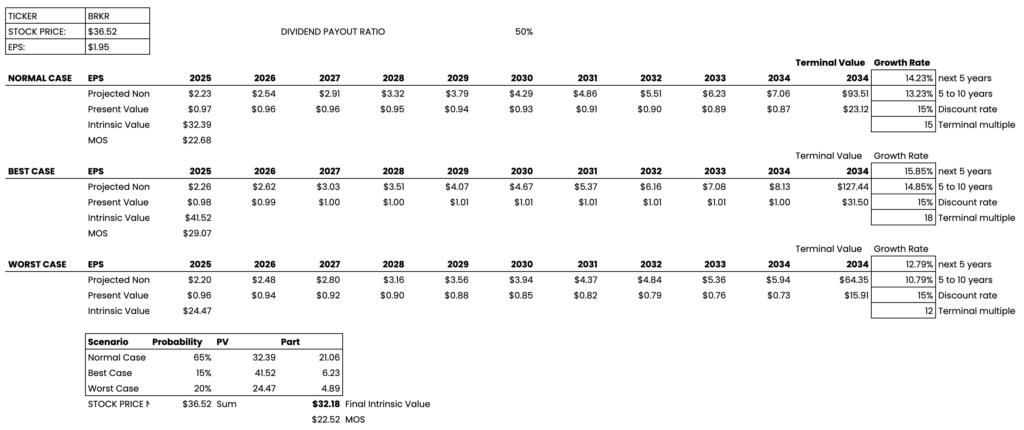
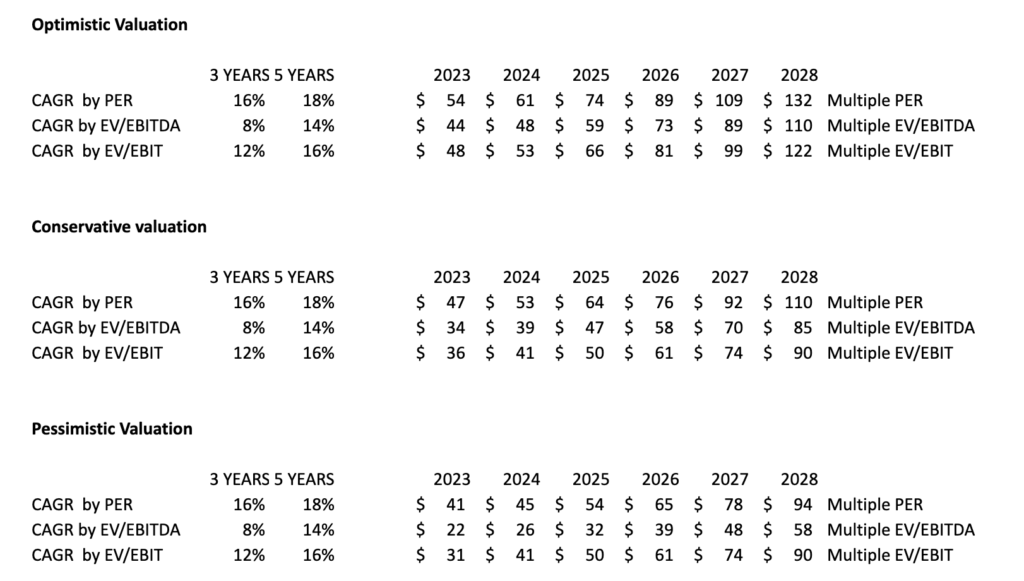
I’ve built three scenarios by taking into account different PER, EV/EBITDA, and EV/EBIT valuations. I took into account the lowest, mid, and highest valuations not only from Fortinet but also from its competitors. To be honest, I will take into account the EV/EBITDA instead of the PER.

Fortinet Valuation

Final Comments

  1. The software industry is usually considered a monopoly business model where “Winner Takes All”, and where the cybersecurity market is very fragmented.
  2. Big competition means that at some point, there exists the possibility that some companies with a worse competitive advantage will increase debt as they cannot self-finance if they need funds for investments like acquiring new companies, adding more resources to increase sales, or IT to develop new technologies or finance patents.
  3. Fortinet’s revenue forecast CAGR (5y) is 18.8%, which is above the 15% I consider the minimum CAGR the market average and my security margin.
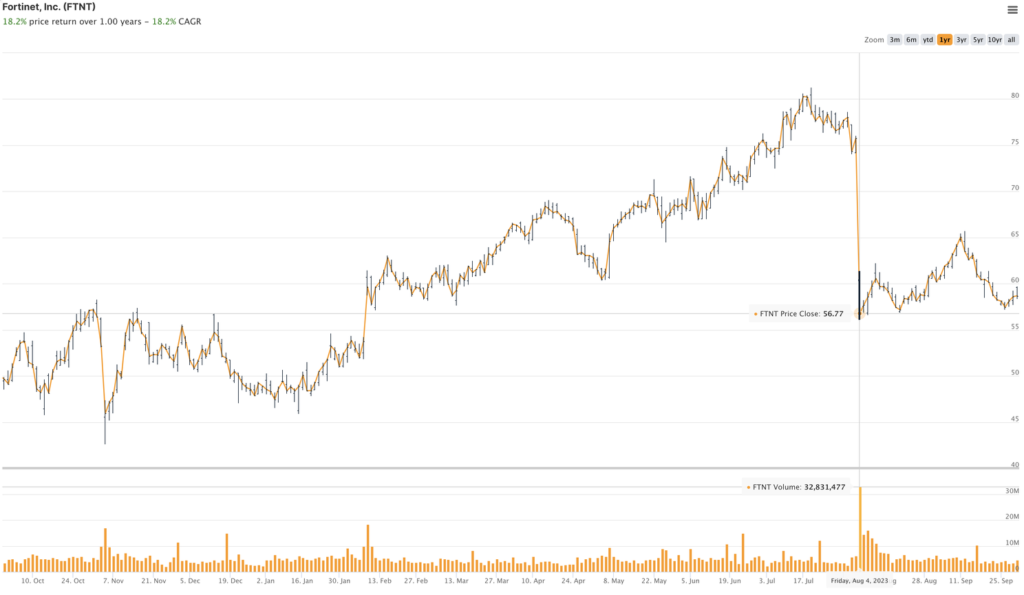
  4. On August 3rd, the company announced earnings and the share price decreased from $75.76 to $56.77/share (-28.65%), after the company confirmed to expect total revenue in the range of 5.35 billion to 5.45 billion for the fiscal year 2023, a lower figure from a prior view of $5.43 billion to $5.49 billion.
Source: TIKR, Fortinet Inc. (FTNT)
Source: DataRoma, Fortinet Sells, Q2 2023

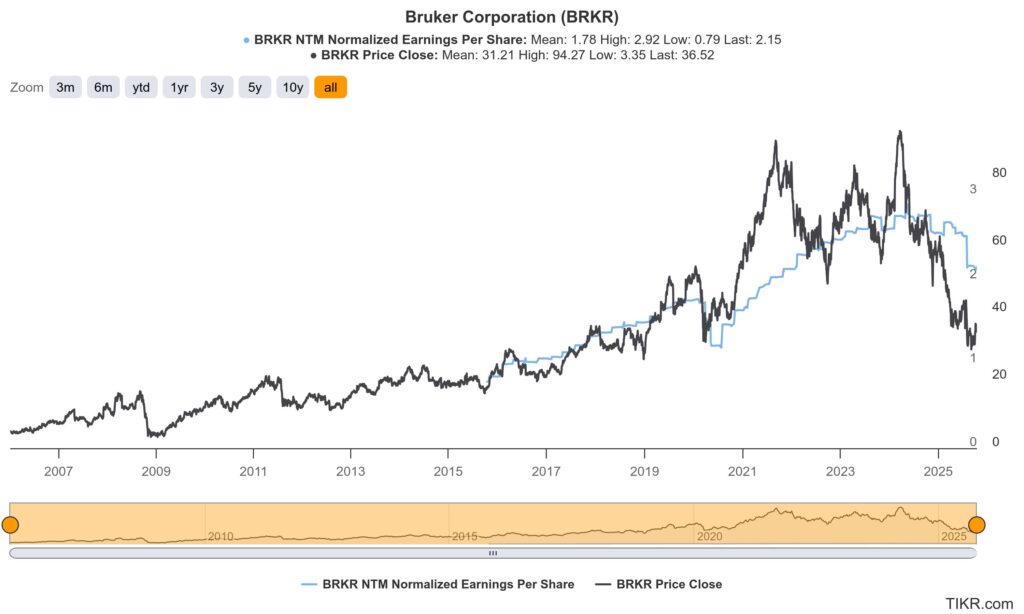
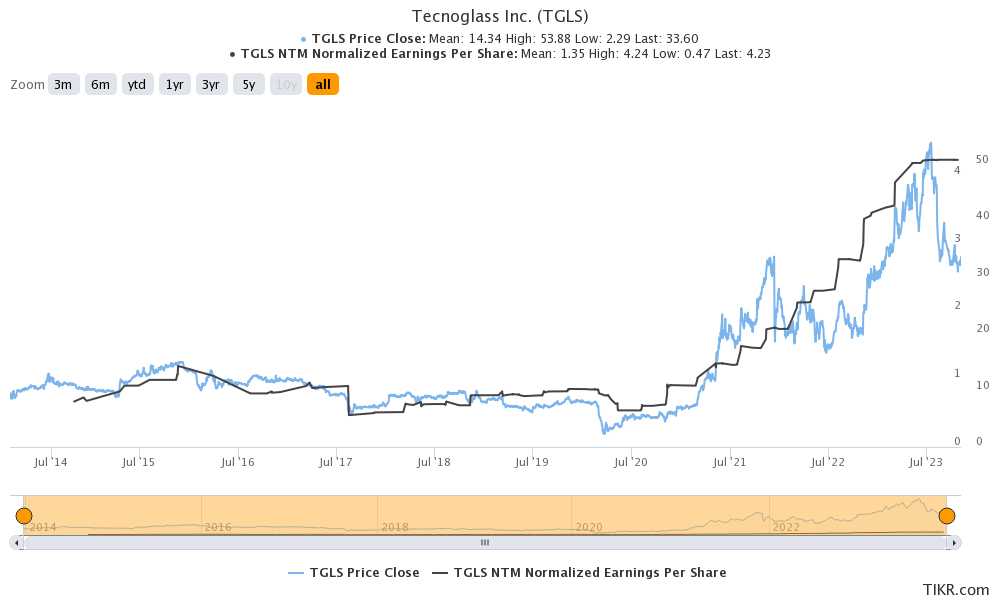
But when we take a look at the share price evolution but also the NTM Normalized Earnings per share, there is a healthy correlation between the price and the earnings growth, showcasing Fortinet’s value generator and its capacity to recover its share price in 2020 despite the global pandemic, so the drop in the stock price could be influenced by the fact that there is not a clear leader in the industry, and that can easily affect the investor’s perception vs the companies strength to capture the pole position.

Price vs NTM Normalized Earnings per Share
Source: TIKR, Price vs. NTM Normalized Earnings per Share

That being said, the initial rate of return is not attractive (1.57$/58=2.7%), so to see an interesting rate of return figure around 12%, the price should have a correction of around 50%, and the earnings per share should increase up to 3.5$.

These books helped me to better understand the value investing: